
Design and Development Should Work Together
The strongest digital experiences happen when design and development are treated as connected disciplines rather than separate stages.

There is a common workflow where design happens first and development happens later. While this can work, it can also create unnecessary separation between what is designed and what can realistically be built.
Design needs technical awareness.
Designers do not need to become full-time developers, but understanding how interfaces are actually built leads to better decisions.
Knowing about responsive behaviour, reusable components, accessibility, performance, and implementation constraints makes design more practical.
Development benefits from design thinking.
Developers also benefit from understanding why a particular interaction or visual hierarchy exists.
When implementation understands the underlying design intention, the result is more likely to preserve the quality of the original experience.
The handoff should not be the end.
The best projects treat implementation as part of the design process rather than a separate phase that begins after design is finished.
Reviewing the actual product and refining it during development often produces a stronger final result.
Design and development do different jobs, but they are working toward the same outcome: a digital experience that actually works.
Keep reading.

Designing Digital Experiences That Actually Work
Good digital design is not simply about making something look impressive. It is about creating an experience that makes sense, feels natural, and helps people accomplish something.
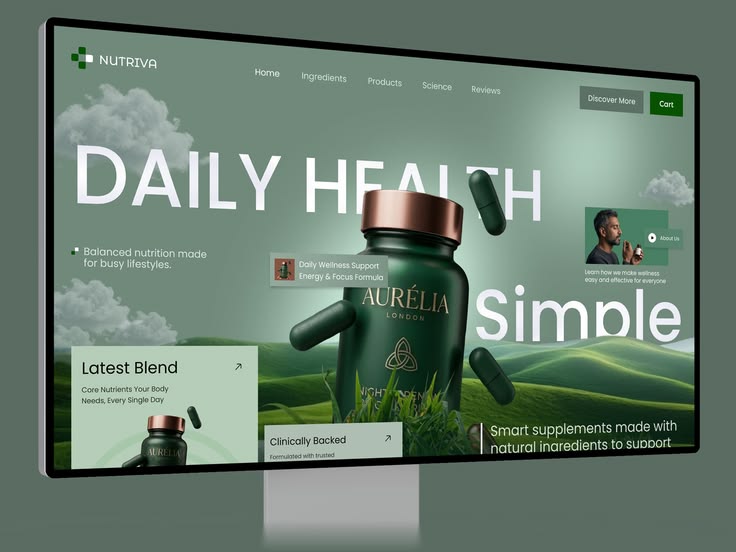
Why Great Websites Need More Than Good Design
A beautiful website can still fail if the structure, messaging, performance, and user journey are not working together.