
Building Products From the User's Perspective
The best interfaces begin before the first component is designed. They begin with understanding what the user is actually trying to accomplish.
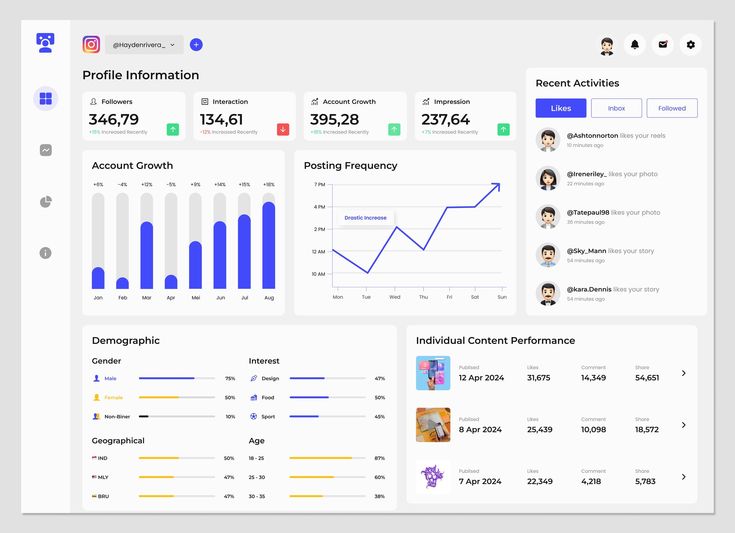
Product design becomes much easier when the user's goal is clear. Instead of asking what screens should be created, the better question is what experience the user needs in order to complete a task successfully.
Understand the user's goal.
Features are not goals. Users do not usually want a dashboard, a filter, or a settings screen for its own sake.
They want the outcome those features help them reach.
Map the journey.
Once the goal is clear, the next step is understanding the path between the starting point and the desired outcome.
This reveals unnecessary steps, confusing transitions, missing information, and opportunities to simplify the experience.
Design around decisions.
Interfaces become easier to use when important decisions are presented at the right moment.
Showing everything at once may technically expose more functionality, but it can also create unnecessary cognitive load.
Test the assumptions.
Design decisions are assumptions until they meet real users.
Even lightweight testing can reveal problems that are difficult to notice when the designer already understands how the interface is supposed to work.
The strongest product experiences are built around what people are trying to accomplish, not around the features the product happens to contain.
Keep reading.
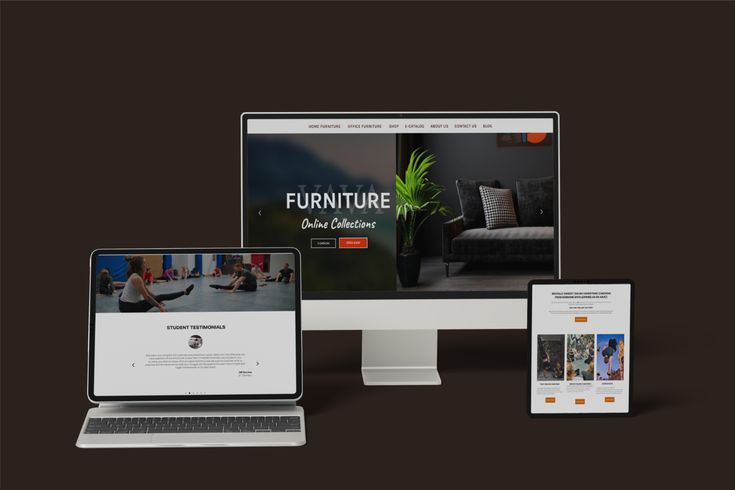
Designing Digital Experiences That Actually Work
Good digital design is not simply about making something look impressive. It is about creating an experience that makes sense, feels natural, and helps people accomplish something.
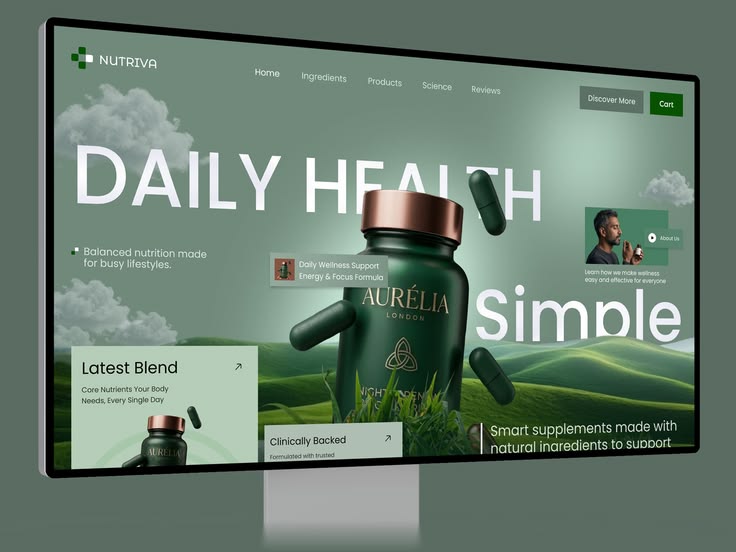
Why Great Websites Need More Than Good Design
A beautiful website can still fail if the structure, messaging, performance, and user journey are not working together.